
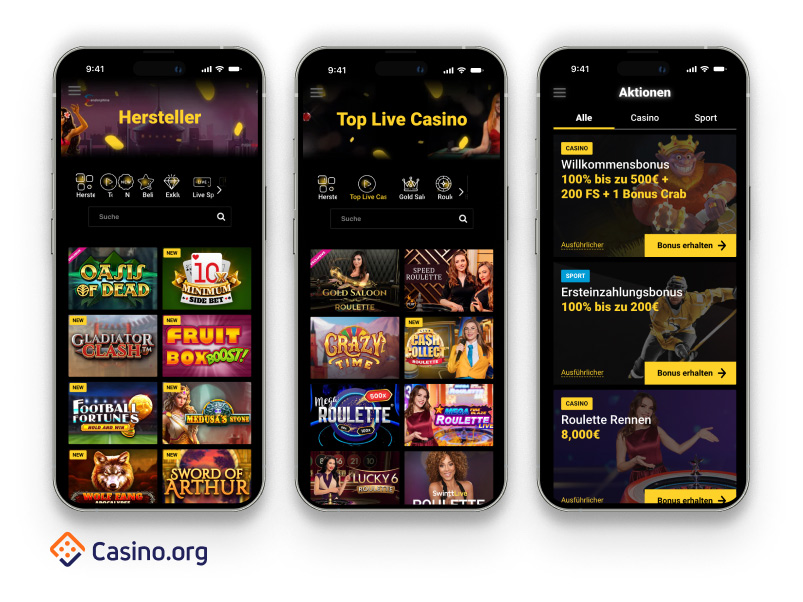
Walking into a live dealer lobby for the initial time can seem like moving from a quiet street straight onto a buzzing casino floor. Standard online table games run on random number generators and animated graphics, but live dealer games broadcast real human croupiers from professional studio environments in real time. A player sitting in Manchester sees the same cards dealt, the same roulette wheel spinning, and the same felt layout as a person logging in from a different continent. The interface places digital betting options onto the video feed, so placing a wager feels intuitive without disrupting the visual connection to the table. This hybrid format has expanded quickly across the UK because it addresses a specific gap: the need for genuine human interaction and physical game mechanics without leaving home. For newcomers, comprehending the technical setup, the game flow, and the etiquette expectations converts what might initially appear overwhelming into a straightforward, thoroughly enjoyable form of online entertainment.
Exactly What Live Dealer Gaming Actually Entails

A live dealer game isn’t a simulation. It focuses on a trained professional operating real equipment in a secure studio or a physical casino floor prepared for transmission. Optical character recognition technology detects every card drawn, every number the roulette ball lands on, and every dice outcome, translating those physical actions into digital data that the interface instantly translates for the player’s screen. Multiple high-definition cameras shoot different angles, and a production team oversees the feed behind the scenes. The player watches the dealer shuffling physical decks, spinning a genuine wheel, or placing dice into a mechanical shaker. Between rounds, the dealer often acknowledges players by username when they type messages into the live chat window, building a social thread that software-only games simply are unable to match.
For UK players, the distinction holds practical weight. The UK Gambling Commission demands that all game outcomes remain demonstrably fair, and live streams deliver a visible chain of events that is continuously auditable. Studio operators frequently display licence numbers and certification badges within the stream itself. The audio layer is also important. The shuffle of cards, the click of the ball against the rotor, and the dealer’s verbal callouts produce an acoustic environment that conveys authenticity. Beginners often report that hearing a dealer say «No more bets, thank you» in real time is the moment the experience transitions from abstract to tangible.
Famous Live Games and How They Differ from Digital Versions
Live roulette probably functions as the entry point for the largest percentage of new live players. The visual mechanic is immediate: a real wheel spins, a real ball drops, and the landing number appears on screen before the betting grid updates. European roulette with a single zero dominates in UK-facing studios, although some tables provide French roulette with the La Partage rule that refunds half of even-money bets when zero hits. Live blackjack operates with physical shoes containing six or eight decks, and the dealing procedure observes a visible cut-card placement that dictates when the shoe ends. Side bets including 21+3 and Perfect Pairs show up on the digital interface as optional buttons, blending the classic game with modern extras without cluttering the physical felt.
Baccarat attracts a dedicated following in live lobbies, with squeeze tables where the dealer slowly reveals cards by peeling back the edges. Live game shows make up a newer category that has grown rapidly. Titles like Crazy Time, Monopoly Live, and Dream Catcher revolve on large spinning wheels hosted by energetic presenters, incorporating bonus rounds, multipliers, and augmented reality animations over a studio set. Unlike their digital-only counterparts, these productions hinge on the host’s charisma and pacing to build momentum between spins. Poker variants like Casino Hold’em and Three Card Poker take up a middle ground, dealing real community cards while the interface calculates payouts against posted pay tables. Each category feels distinct because the physical component dictates a rhythm that no algorithm can convincingly mimic.
Licensing requirements, Fairness, and Consumer Safeguards in the British Framework
Every live dealer stream accessible to UK players via a regulated operator falls under a Gambling Commission licence, which imposes comprehensive technical standards for live gaming equipment. Cameras need to capture adequate visual information to allow post-round dispute resolution. Shuffling procedures must adhere to approved methods, and automated shufflers undergo certification by UK-approved test houses before use. The studio’s random number generator, employed sparingly in live games mainly for features like multiplier selection in game shows, must have independent testing certification from laboratories including GLI or iTech Labs. The licence number of the operator must be shown in the footer of the site and inside the game lobby’s information tab.
Player protection tools are built into the live experience without affecting the stream. Reality check pop-ups can be adjusted to appear at intervals selected by the player, prompting them of session duration and net position. learn everything Deposit limits, loss limits, and session timers synchronize across the entire account and apply equally to live tables. The live chat interface features a direct shortcut to responsible gambling resources, and dealers are coached to avoid language that pressures faster play or higher staking. UK-facing studios also follow strict identity verification protocols ahead of a player can place a first live wager, requiring document submission that corresponds to the account registration details. This gatekeeping step might feel burdensome the first time, but it ensures that age verification and source-of-funds checks are completed once, safeguarding the entire player base and the operating environment equally.
Offers, Bonuses, and How They Work to Live Tables
Sign-up offers and regular promotions at online casinos commonly have game weighting rules that treat live dealer wagers distinctly from slots. A typical structure might grant a deposit match bonus that demands wagering a multiple of the bonus amount before any withdrawal, but only a fraction of every pound staked on live roulette or live blackjack applies toward that requirement, sometimes as low as 10% or 20% of the nominal stake. The rationale is clear: games with a high return-to-player and the theoretical possibility of covering large portions of the house edge through strategic play receive reduced contribution rates to maintain bonus viability. Before claiming any promotion, a player should locate the «Bonus Terms» link on the offer page and check the game weighting table specifically.
Apart from wagering contributions, certain promotions directly target live dealer tables. These can feature weekly cashback on net losses sustained across designated live categories, prize draws activated by hitting certain roulette numbers or side bet combinations, and leaderboard competitions based on consecutive wins or total stakes. Chance Casino lists active live-specific promotions on its homepage carousel and within the live lobby’s notification panel. Time-sensitive deals often show up with a countdown timer and a «Join» button that auto-enrols the player. Opting in before placing the qualifying wager is crucial, as retroactive inclusion is almost never available. The most simple value for a newcomer tends to be low-percentage cashback offers, because they cut variance gently without setting complex playthrough targets, enabling a beginner understand game flow while having a modest safety net on losing sessions.
Device Compatibility and Bandwidth Demands
Live dealer streams need more stable bandwidth than regular online slots or table games because the video layer forms a continuous data flow. A reliable 4G connection or a residential broadband line offering at least 5 Mbps downstream usually suffices for smooth standard-definition playback, though HD streams profit from 10 Mbps or higher. Most studios encode streams in adaptive bitrate formats, implying the quality automatically steps up or down in response to fluctuating network conditions. A momentary dip does not cancel an active bet: the platform keeps the wager server-side and the interface reconnects as soon as the stream stabilizes. Players on older mobile devices should verify that their operating system version supports the latest video codecs, but any iPhone or Android handset introduced in the past several years manages live streams without demanding a dedicated app download.
Chance Casino optimises its live lobby for cross-platform use through responsive web technology. The same URL functions on a desktop browser on a Windows laptop, a Safari tab on an iPad, and a Chrome browser on a Pixel phone, with the interface adjusting elements to match screen dimensions. On desktop, players can tile multiple tables across tabs, though most studios apply a limit on concurrent seats across a single account to prevent betting collisions. Mobile portrait mode compresses the video and the betting panel into a vertical stack, while landscape mode widens the video and puts chip trays along the lower edge. Touch controls on mobile stand in for mouse hover states; a long press often reveals game rules or pay tables, and a single tap places a chip. The absence of a downloadable client means the experience runs inside a standard browser session, maintaining device storage free and avoiding the friction of app store approvals for UK players who prefer instant access.
How the Wagering Interface Functions During a Live Broadcast
The on-screen layout splits into two primary zones: the video pane and the digital betting area. The video takes up the top or middle part and adjusts smoothly based on device position. The wagering section lies beneath or beside it, showing chip values, active betting positions, and a live countdown clock. When the dealer calls «Place your bets,» the timer resets and clickable positions on the virtual felt illuminate. A player selects a chip value, then taps the desired spot, repeating the process for multiple wagers if the game permits. The interface promptly removes the total from the account balance and reveals the placed bets as see-through chips superimposed on the video. When the timer runs out, the wagering grid locks, and the dealer continues with the hand.
After-round resolution occurs automatically. Victorious areas glow, and the payout sum appears prior to being deposited into the balance. The system also keeps a history section, frequently collapsible, that shows recent results for the table. In roulette, this shows the last twenty or more numbers; in blackjack, it may indicate dealer bust frequency or recent shoe trends without claiming predictive power. A live chat window sits in the corner, enabling players to type messages that appear to the dealer and to other seated players after moderation filters scan the text. The general design approach across trusted UK-oriented sites favours simplicity: buttons are sized adequately for mobile thumb taps, chip piles employ contrasting colours, and essential information remains constantly visible without requiring the player to switch screens.
The Studio Configuration and the Role of the Table Host
Dedicated live studios are functionally closer to television sets than to classic gaming halls. Banks of tables sit under regulated lighting, with camera systems positioned to capture wide shots of the table, intimate shots of the wheel or shoe, and sometimes overhead views for games where viewing the whole table matters. At the back of each dealer, monitors display stakes data and chat messages from online players. A floor supervisor or studio operations supervisor oversees multiple tables simultaneously, watching for process mistakes and guaranteeing regulatory compliance. The croupiers themselves undergo instruction that blends standard game proficiency with broadcast-specific skills: keeping casual banter, managing camera switches, and managing the pace so that both online seated participants and a broader online audience keep interested.
At Chance Casino, the live croupier section draws from studios operated by recognised software vendors whose names many UK players already recognise. These vendors license their tables and dealer teams to several platform operators while maintaining stream authenticity to every collaboration. When a player opens a real-time blackjack game, they observe genuine felts, casino-quality card shufflers, and hosts who switch on scheduled shifts just as they could in a physical casino. The dealer’s screen-side display may tailor particular images with the casino’s logo, but the primary broadcast remains identical in quality whether viewed on a computer in Bristol or a mobile phone on a commute beyond Glasgow. The outcome is a refined, professionally supervised setting that runs on strict schedules, with tables opening early in the morning and extending well into the night to align with British time zones.
Common Beginner Mistakes and How to Avoid Them
One of the most typical missteps occurs before the first chip is even set down: joining a table without grasping its minimum and maximum limits. Every live table shows a placard or digital overlay indicating the permitted bet range for each spot. Sitting down at a roulette table where the straight-up minimum is £1 suits a cautious start, while landing on a VIP blackjack table with a £50 hand minimum can deplete a modest bankroll within minutes. The lobby filter contains a stake-range selector specifically for this reason; spending thirty seconds tweaking those sliders prevents unnecessary frustration. Another common error involves the bet confirmation timer. Players habituated to digital games where they can deliberate indefinitely sometimes freeze when the countdown hits five seconds, rushing chips onto incorrect positions. Practicing on a low-stake table where misclicks cost less builds the timing instinct without pressure.
Ignoring the game’s specific rule variant before committing funds ranks close behind. Not all live blackjack tables pay 3:2 on a natural; some provide only 6:5, which significantly worsens the long-term return. The rules panel, accessible via a small «i» or «?» icon on the interface, lists the blackjack payout, whether the dealer stands or hits on soft 17, surrender availability, and side bet pay tables. Reading that panel takes under a minute and permanently changes the quality of table selection. A final avoidable pitfall is treating live chat as a tactical channel. Dealers direct the game but do not give advice, and other players’ comments about «due numbers» or «hot shoes» reflect superstition rather than probability. Turning off chat if it distracts or simply viewing it as entertainment rather than data keeps decision-making anchored to the actual rules and independent odds of each round.

Novice players can bypass the most common pitfalls by following a short pre-game checklist before joining any live table:
- Examine the table’s minimum and maximum bet limits using the lobby’s stake-range filter to align with your bankroll.
- Access the rules panel via the «i» or «?» icon to check the blackjack payout, dealer standing rules, and any side bet conditions.
- Watch a full round as an observer before taking a seat to internalise the betting timer rhythm and dealer pace.
- Define a personal loss limit and session timer through the account’s responsible gambling tools before placing the first wager.
- Practice chip placement on a low-stake table first to build confidence with the interface without endangering significant funds.
How the Live Format Is Reshaping Online Casino Habits
The consistent migration of player gaming time from purely digital tables to live streams signals a broader shift in what people look for from online gaming chancecasino.eu. The isolated slot spin and the automated blackjack hand fulfill a role, speed and convenience, but they are missing a social dimension that a growing cohort actively desires. Live dealer lobbies reintroduce pace controlled by human hands rather than instant re-deal timers. Between spins of a roulette wheel, the dealer collects losing chips, announces the winning number, positions the dolly, and connects with the chat. That short regular pause reestablishes a breathing rhythm that many players find more sustainable over multi-hour sessions than the rapid-fire clicking of software-only equivalents.
Game show hybrids represent the most visible indication of this evolution. Games that combine wheel mechanics, presenter banter, and augmented reality bonus rounds have created audiences that never previously touched casino products. The broadcast format draws from daytime television energy, making the experience welcoming for people who would find a traditional blackjack table too stern. In parallel, the technology layer continues to advance: multi-camera views that players can toggle on demand, slow-motion replays of crucial wheel drops, and behind-the-scenes footage published by studios cultivate a sense of insider access. For a UK audience that grew up with interactive television voting and second-screen apps, this fusion of betting, streaming, and social interaction seems culturally native rather than novel. The live dealer format has stopped being a niche alternative and has become a central pillar around which modern online casinos organize their entire lobbies.