

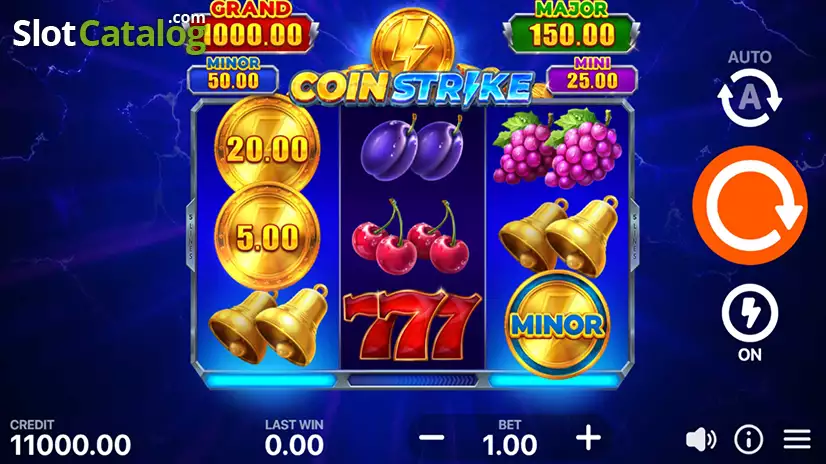
Playing online slots like Coin Strike 2: Hold and Win is entertaining, but it’s easy to get it wrong https://holdandwins.com/coinstrike2/. I’ve spent plenty of time on those reels, focused on the chance of the bonus round and a big payout. Along the way, I made some expensive errors. This is a rundown of those mistakes, so you can prevent them, manage your money, and actually have a more enjoyable time with the game.
Skipping the Game Rules and Paytable
My biggest early mistake was jumping into Coin Strike 2 without checking how it worked. I thought it was just another slot. It isn’t. The Coin Collection meter and the main Hold and Win bonus have their own rules. Because I didn’t check what the special symbols did, or how to trigger the bonus, or what each coin was worth, I played in the dark. I was throwing money away. Investing five minutes with the paytable isn’t unnecessary homework. It shows you exactly what the game can do.
Skipping Use of Demo Mode for Practice
Many sites let you test Coin Strike 2 in a free demo mode. My blunder was skipping it and heading straight to real money. That was an expensive way to learn. The demo version lets you see how the game flows, test bet sizes, and grasp how often features activate, all without risk. It’s the best training ground available. These days, I always advise people to play the demo until they’re bored of it before they risk a single pound.
Misinterpreting the Variance and RTP
At first, I played Coin Strike 2 like it was a low-volatility game. I hoped for consistent, small payouts. That was a costly assumption. This slot is high volatility. Wins are less common, but they’re bigger when they hit. My bankroll suffered because my assumptions were off. I also got wrong the Return to Player (RTP) figure. It’s a long-term average, not a certainty for your next 50 spins. Realizing you’re playing a high-risk game sets you up for those long stretches where nothing seems to happen.
Weak Bankroll Management from the Start
This was my most common error. I’d put in money and just start spinning with no plan. A proper strategy means setting a loss limit and a win goal before you press ‘spin’. I didn’t do that. I’d often bet until my balance was nearly depleted, or give back every penny I’d won. For a game like this, you need firm limits and the determination to stick to them. It’s what turns a high-risk flutter into a managed bit of entertainment.
Hunting Losses with Bigger Bets
After a string of dead spins, my gut instinct was to increase my bet. I thought a bigger wager would claw back my losses in one go. That’s the old chasing losses trap, and it’s a disaster. In Coin Strike 2, boosting your stake does boost potential wins, but it also burns through your cash twice as fast when the game goes cold. I discovered that betting with my emotions always resulted in bad calls. Keeping to a bet size that fits my session budget is the only reasonable method. This game’s volatility will devour reckless bet increases for breakfast.
Overvaluing the Hold and Win Feature Round
The Hold and Win feature is the star of the show, and I got fixated on it. I started treating the base game as a slow buildup for the main event. That caused frustration and hasty decisions. The truth is, the bonus round is a infrequent occurrence. I needed to learn to enjoy the base game for what it is. The coin collection and lesser wins are part of the package. Banking everything on one rare feature just makes playing stressful, not fun.
Gaming When Exhausted or Distracted
I never understood how much my attention counted. Playing late at night or with the TV on led to foolish mistakes. I’d fail to notice changes on the coin meter, tap the max bet button by accident, or go straight past my stop-loss. The game has nuances you need to monitor. When I was fatigued, my discipline vanished and I made calls I’d normally avoid. Allocating dedicated time to play, like I would for any hobby, made a huge difference to my control and how much I liked it.
Buying into Superstition Over Strategy
I’ll confess. I’ve believed in ‘lucky’ spins, believed a bonus was ‘due’, and assumed changing my bet pattern might deceive the system. That’s all nonsense. Every spin on Coin Strike 2 is a independent event, pure chance. Believing anything else caused me to place dumb bets and remain in losing sessions way too long. Acknowledging the randomness is actually refreshing. It compels you to zero in on the things you can actually control: your budget, your bet size, and when you walk away.
Key Takeaways for Better Play
Reflecting on all these mistakes, a few obvious lessons become apparent. Applying them transformed my whole approach. Here are the critical changes I implemented.
- Never make a real bet until you’ve examined the paytable and rules.
- Set a session budget and define loss and win limits. Then adhere to them, no excuses.
- Respect the high volatility. Don’t linger waiting for constant small wins.
- Try the demo mode. Understand the game when the stakes are zero.
- Only play when you can pay attention. Tired, distracted players produce bad decisions.
My time with Coin Strike 2 made me realize that winning is more about steering clear of blunders than forecasting big wins. By confronting my own mistakes, I cultivated a tougher, smarter way to play. Remember, the smart moves are the ones you determine before you spin. Use these lessons to play with more confidence, make your money go further, and keep the whole thing firmly in the ‘fun’ column.